|
Planting trees is one of the easiest ways to offset your carbon footprint and become carbon neutral. Trees absorb carbon dioxide to produce oxygen and wood, both of which are very useful for humans and other animals.
Click here to plant a tree now!For further guidance on tree planting regions |
Latest News... |
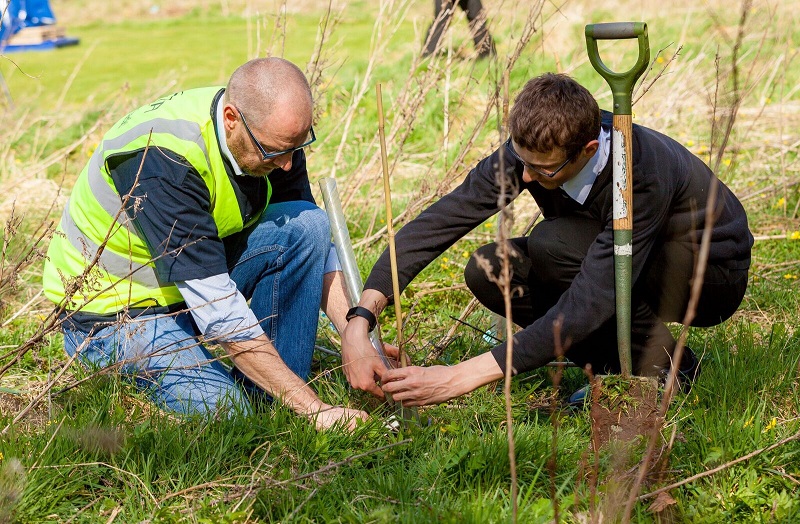
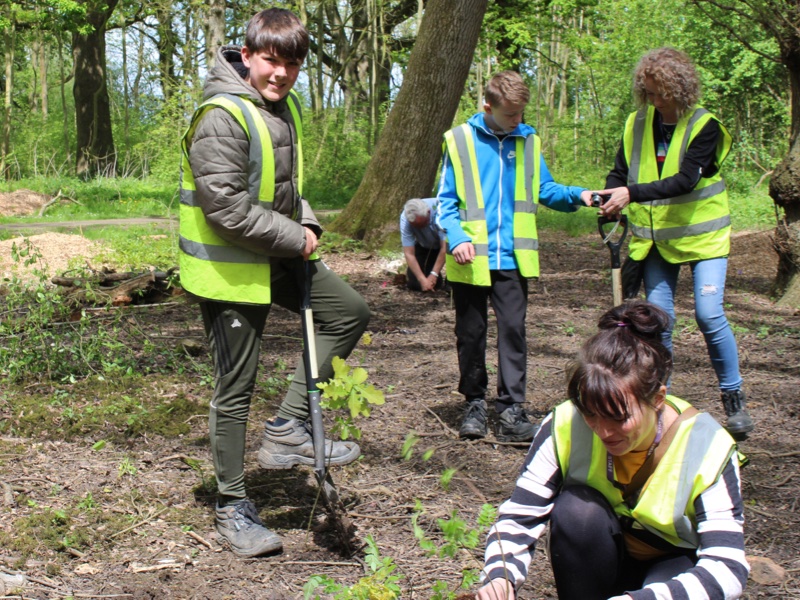
Completion of latest tree planting seasonWe have reached the end of another successful tree planting season and this year our UK tree planting programme has planted over 30,000 new broad-leaved trees. The trees have been planted in schools, parks, reserves, farms and many other deserving locations. Daisy Ford from our tree planting project looks back on the season: “Despite difficulties with the weather and the economic situation, everyone who has planted a tree with us has made a wonderful contribution to the well-being of the natural world. The trees we have planted will not only offset carbon emissions but will create habitat for native birds, mammals and insects, support biodiversity and safeguard our ecological heritage for future generations.” |
|
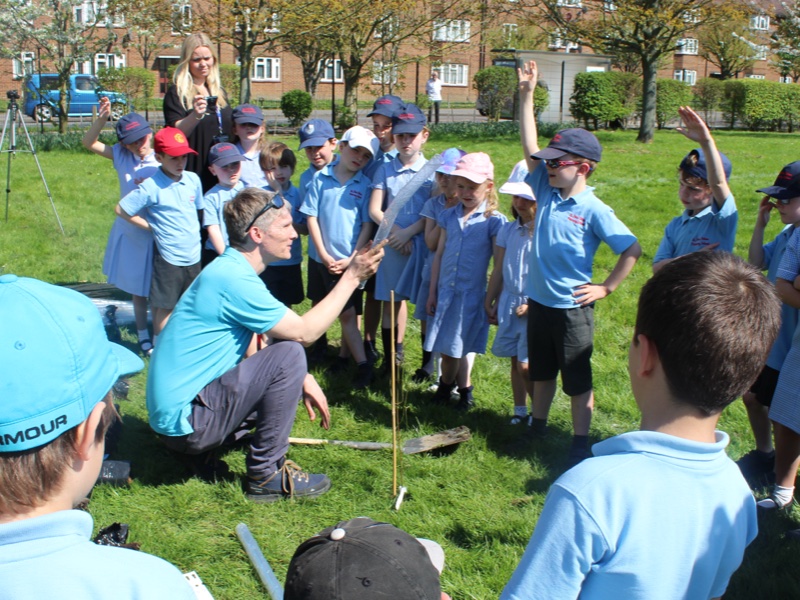
Local tree planting eventCarbon Footprint celebrated the start of the tree planting season with a tree planting event in a local Basingstoke school. See the latest UK tree planting photos
We can sequester (i.e. absorb) the atmospheric carbon as part of the process of photosynthesis of trees and plants, which enables them to grow. Through this process, carbon dioxide is converted into stored carbon, and this is why trees are sometimes referred to as ‘carbon sinks’. By taking this carbon dioxide from the atmosphere, trees clean the air, and offset our polluting lifestyles. Each tree planted ‘offsets’ your environmental impact by ‘breathing’ in about 1 tonne of CO2 emissions over its lifetime of 100 years. It is estimated that the average person needs to save about 7,000 kg of CO2 per year. So planting just 7 trees each year is one strategy for achieving this. All trees planted are native broad-leaved trees, which as well as taking in CO2 also provide sustainable habitat for wildlife and enhance the natural landscape.
![]()
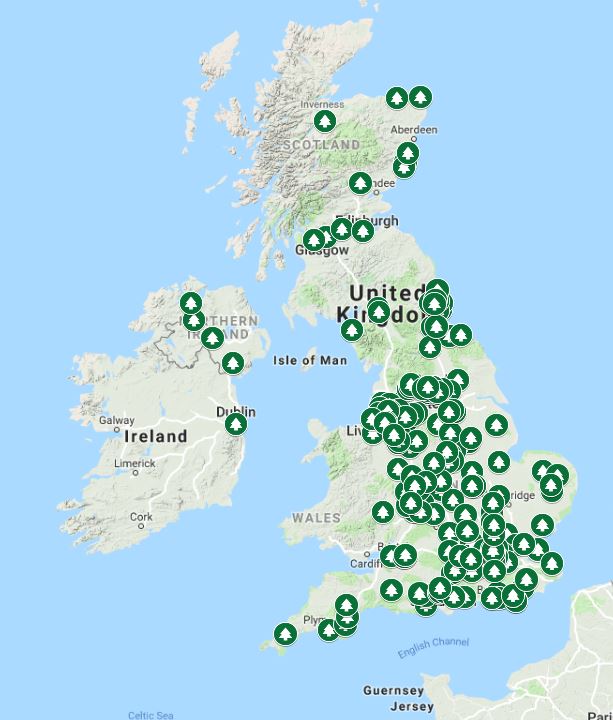
Frequently Asked Questions (FAQs)Where are the trees planted? Most Carbon Footprint / Tree Appeal trees will be planted in low-profile surroundings. With the help of our tree planting partners and their local environmental knowledge, these native broad-leaved trees will be found homes where they are most needed; supplementing hedgerows, woodlands and nature reserves; alongside our highways, rivers and farmland. Trees are also planted in school grounds helping to educate and raise awareness among pupils. You are able to select the UK region where they will be planted.
|
|
Would they be planted anyway? There is a UK quota for tree planting which the government are committed to meet. All trees planted through Carbon Footprint will be in addition to any national quota, so you can be sure that any tree you are funding would not have been planted without your support.
How much carbon dioxide does a tree absorb? The amount of CO2 a tree will offset depends on many factors, such as the type of tree, where it is planted and the amount of room it has to grow. On average, one broad leaf tree will absorb in the region of 1 tonne of carbon dioxide during its full life-time (approximately 100 years). |
|
|
What are the advantages of planting trees in the UK? These trees will improve our local environment and provide habitats for our local wildlife. Only native British broad-leaved trees are planted in the UK, ensuring they are in keeping with the local surroundings.
Tree AppealCarbon Footprint has an exclusive agreement with Tree Appeal, allowing you to buy trees via the internet (i.e. the carbonfootprint.com web site). You can even specify which region the trees will be planted in.
Tree Appeal helps responsible organisations reduce their environmental footprint by planting native British broad-leaved trees. By planting trees we can help you to become carbon neutral. In the process we are providing wildlife habitat for many hundreds of years, passing on to future generations a fascinating and highly valuable ecological heritage. |
Popular searches